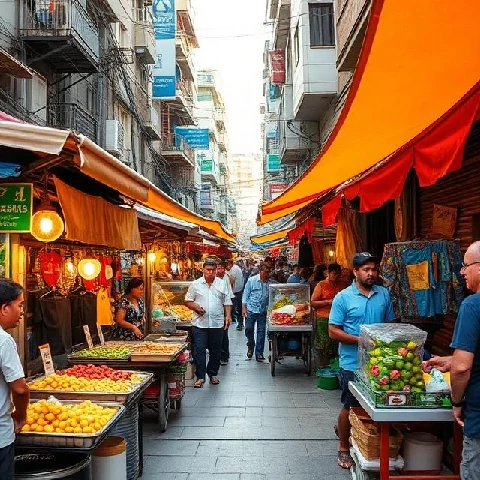
Urban anthropology studies cultural life and social dynamics in cities. It emerged in the mid-20th century as anthropologists moved from villages to urban neighborhoods. Early work examined migrant communities, street life, and the ways rural practices adapted to city conditions. Today the field covers gentrification, homelessness, informal economies, ethnic enclaves, and the politics of public space.
Cities are not just backdrops. They shape social life in specific ways. Density, anonymity, and diversity create opportunities and tensions. People negotiate strangers daily. They form subcultures around work, music, or neighborhood. They compete for housing, transit, and visibility. Urban anthropologists study how power operates through zoning, policing, and infrastructure. They also document resistance, from graffiti to community gardens.
Research themes
- Migration and ethnic neighborhoods.
- Informal economies and street vendors.
- Housing, gentrification, and displacement.
- Public space and the politics of belonging.
More than half the world's population now lives in cities. Urban anthropology is no longer a specialty. It is central to understanding contemporary life.
Comments (3)
Leave a comment