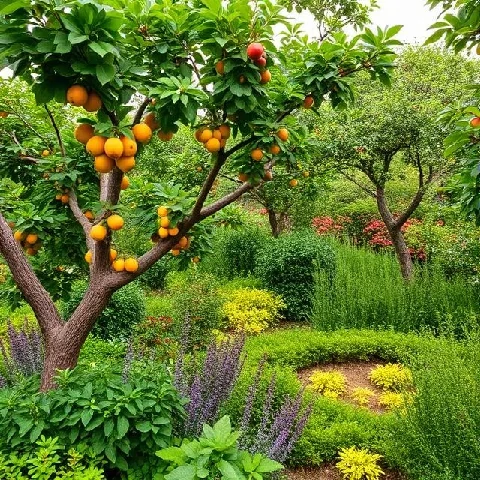
Permaculture is a design system for creating productive landscapes that mimic natural ecosystems. The term was coined in the 1970s by Australian ecologists Bill Mollison and David Holmgren, who were reacting to what they saw as the destructiveness of industrial agriculture.
The approach combines ecology, traditional knowledge, and careful observation. A permaculture farm might stack functions: a windbreak that also produces fruit, a pond that irrigates and raises fish, chickens that scratch through compost and eat pests. Zones radiate outward from the house, with the most frequently tended elements closest. Edges, where two systems meet, are considered especially productive.
Design principles in practice
- Observe and interact before making changes
- Catch and store energy and water
- Use biological resources instead of external inputs
- Produce no waste; everything cycles
Permaculture is more a design philosophy than a fixed method, and critics note that its claims are sometimes ahead of its evidence. Still, many of its practices, including food forests, swales, and integrated animal systems, have found their way into mainstream regenerative agriculture.
Comments
No comments yet. Be the first to share a thought.
Leave a comment