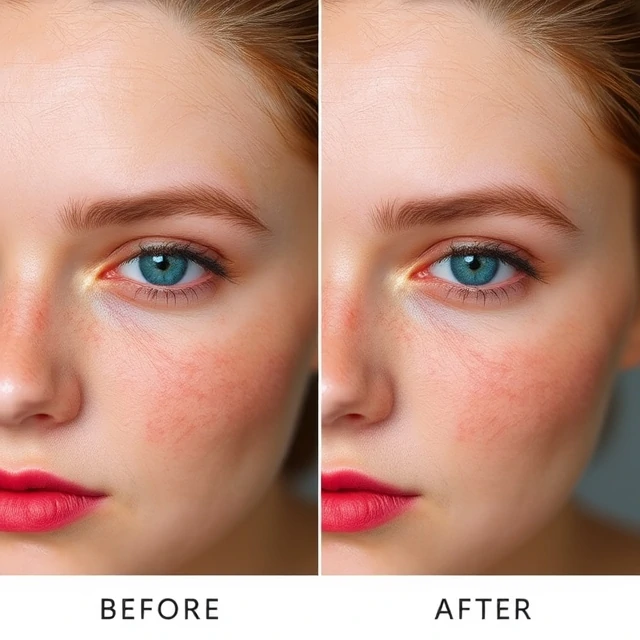
Retouching is altering a photograph to improve or modify appearance. It is different from basic editing. Editing adjusts exposure, color, and contrast. Retouching changes the content of the image. It removes blemishes, smooths skin, whitens teeth, removes distractions, and reshapes features. Retouching is common in fashion, beauty, and portrait photography. It is also controversial. When retouching changes the appearance of a person beyond recognition, it can create unrealistic standards of beauty. Some countries have laws requiring labels on retouched images in advertising.
Retouching is a skill. It requires an understanding of anatomy, lighting, and color. It also requires restraint. The best retouching is invisible. It enhances the subject without making them look artificial. Retouching software ranges from simple apps to professional tools like Photoshop. Frequency separation, dodging and burning, and cloning are common techniques. Healing brushes remove blemishes. Liquify tools reshape features. Curves and color adjustments refine tones. Retouching is not the same as manipulation. Manipulation implies deception. Retouching is a continuum. At one end, it is subtle correction. At the other, it is complete transformation. The line between the two is a matter of ethics and context.
Common retouching tasks
- Blemish removal. Removing spots, scars, and acne.
- Skin smoothing. Reducing texture and pores.
- Teeth whitening. Brightening and straightening teeth.
- Eye enhancement. Brightening and sharpening eyes.
- Reshaping. Adjusting body proportions.
Retouching is not a substitute for good photography. It is a tool for refining an image that is already good.
Comments
No comments yet. Be the first to share a thought.
Leave a comment