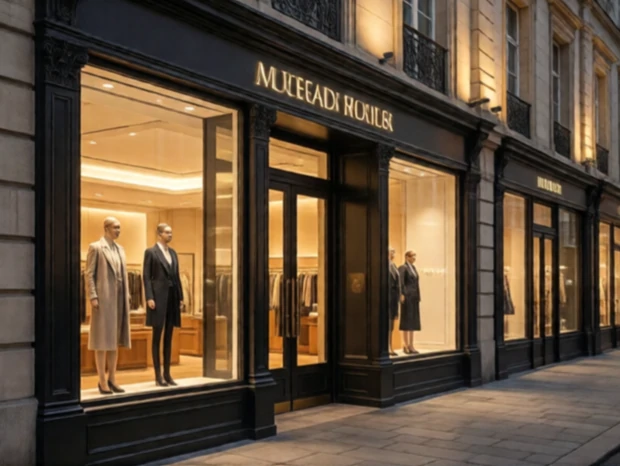
A fashion house is a company that designs and sells high-end clothing and accessories. It usually bears the name of its founder or current creative director. Chanel, Dior, Gucci, and Prada are examples. A fashion house operates across multiple lines: haute couture, ready-to-wear, accessories, and sometimes perfume, cosmetics, and home goods.
The structure is hierarchical. A creative director sets the vision. Design teams execute it. Ateliers produce samples and couture pieces. Marketing, press, and retail teams bring the products to market. Many fashion houses are now owned by large conglomerates like LVMH, Kering, or Richemont. These groups provide capital and back-office support while allowing each brand to maintain its identity.
The economics are unusual. Haute couture rarely turns a profit. It exists to burnish the brand. Ready-to-wear and accessories generate most of the revenue. A single handbag or perfume can outsell entire clothing lines. Licensing deals extend the name to eyewear, fragrances, and hotels. The fashion house is a brand first and a clothing maker second. That distinction explains many of its business decisions.
Key divisions
- Haute couture atelier
- Ready-to-wear
- Accessories and leather goods
- Fragrance and cosmetics
- Licensing and brand extensions
Comments
No comments yet. Be the first to share a thought.
Leave a comment