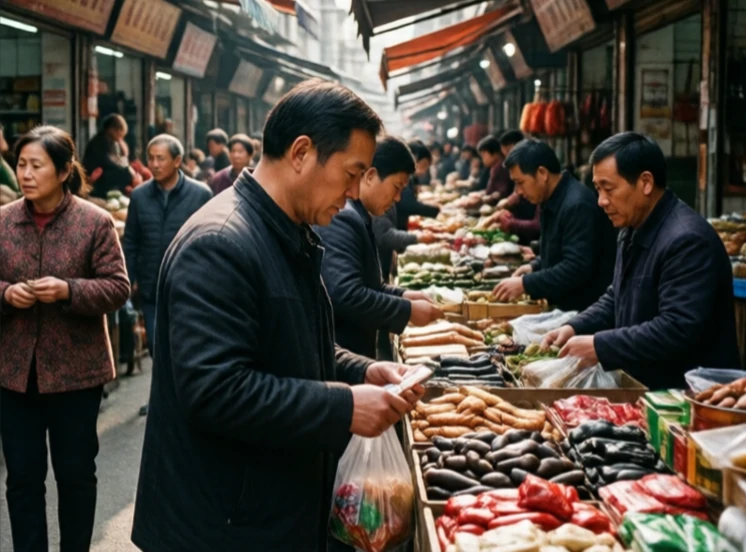
Goods move from producers to the people who will use them, and money moves in the opposite direction. That exchange is commerce. It encompasses every activity involved in buying and selling.
Commerce includes wholesale markets, retail stores, online platforms, and the logistics that connect them. It requires pricing, negotiation, payment systems, and trust that goods will match their description. Legal frameworks, currencies, and transportation networks make large-scale commerce possible.
Retail is the branch of commerce closest to the final consumer. Understanding broader commerce helps retailers anticipate supply conditions, cost changes, and competitive pressures. Digital tools have expanded the reach and speed of commercial transactions while introducing new forms of fraud and disruption. At its root commerce remains the organized meeting of supply and demand.
Every store transaction is a small act within the larger system of commerce.
Comments
No comments yet. Be the first to share a thought.
Leave a comment