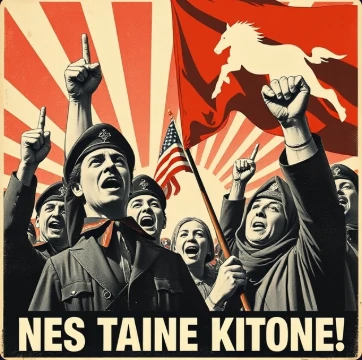
Information deliberately spread to shape public perception in favor of a cause or against an opponent is propaganda. It selectively emphasizes favorable facts, omits inconvenient ones, and often appeals to emotion more than to balanced argument.
States, parties, and movements all use propaganda. Techniques include repetition, simplification, demonization of enemies, and the creation of empowering myths. Mass media and, more recently, social platforms amplify reach. The line between legitimate persuasion and propaganda is contested; one person’s public information campaign is another’s manipulation.
Wartime propaganda is especially intense because stakes are high and information is controlled. In peacetime, competing messages limit the dominance of any single narrative in open societies. Media literacy and independent journalism are the principal defenses against manipulative communication. Recognizing propaganda does not require rejecting all advocacy; it requires noticing when complexity and counter-evidence are systematically suppressed.
- Deliberate communication to promote a political viewpoint
- Uses selectivity, emotion, and repetition
- Employed by states and non-state actors
- Countered by independent information sources
Comments
No comments yet. Be the first to share a thought.
Leave a comment