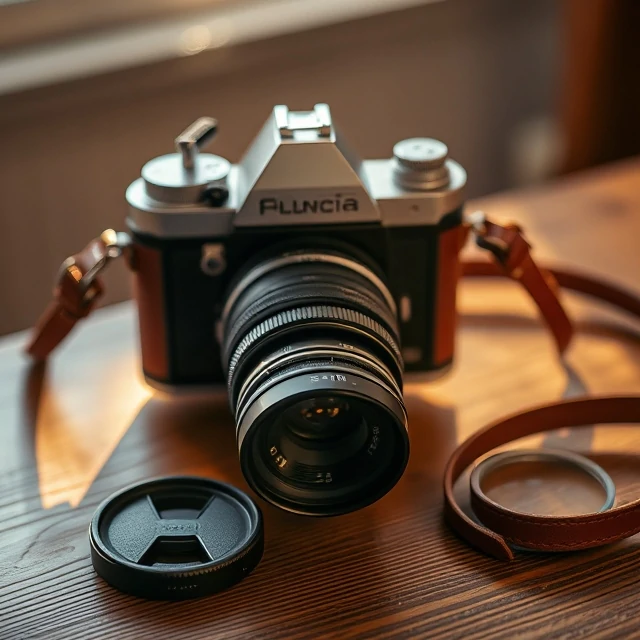
A camera is a box that controls light. Light enters through a lens, passes through an aperture, and lands on a sensor or a strip of film. The shutter controls how long the light falls. The result is an image. That basic design has not changed since the first pinhole cameras, though the details have become extraordinarily refined.
Modern cameras come in many forms. Smartphones pack computational photography into a device that fits in a pocket. Mirrorless cameras use electronic viewfinders and interchangeable lenses. DSLRs use a mirror to direct light to an optical viewfinder. Medium format cameras use larger sensors for higher resolution. Film cameras are still made and still used. Each type has strengths. Smartphones are always with you. Mirrorless cameras are smaller and faster than DSLRs. Medium format cameras produce files that hold up to large prints. The best camera is the one you have with you, as the saying goes, but the saying hides a real truth: familiarity and access matter more than specifications.
Parts of a camera
- Lens. Focuses light onto the sensor.
- Aperture. Controls how much light passes through.
- Shutter. Controls how long light reaches the sensor.
- Sensor. Converts light into an electronic signal.
- Viewfinder or screen. Lets you compose the shot.
A camera is a tool. It does not see. It records. The seeing is done by the person holding it.
Comments
No comments yet. Be the first to share a thought.
Leave a comment