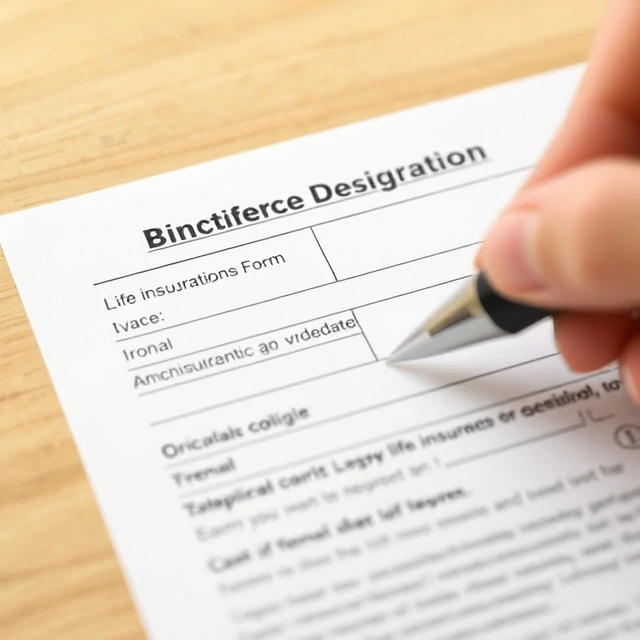
When an insured dies, the policy proceeds do not automatically go to the estate. A beneficiary is the person or entity named in the policy to receive the death benefit or other contractual payments. Clear designation avoids probate delays and unintended distributions.
Primary beneficiaries receive the proceeds first; contingent beneficiaries take the benefit only if no primary beneficiary survives. Revocable designations can be changed by the owner; irrevocable ones require the beneficiary’s consent. Trusts, charities, and business entities may also be named.
Life events—marriage, divorce, birth of children—often require updates to beneficiary forms. Failure to revise an outdated designation is a frequent source of family disputes. Insurers pay according to the latest recorded form on file, not according to informal promises or will provisions.
- Person or entity entitled to policy proceeds
- May be primary or contingent
- Designation should be kept current
- Payment follows the policy form, not the will
Comments
No comments yet. Be the first to share a thought.
Leave a comment