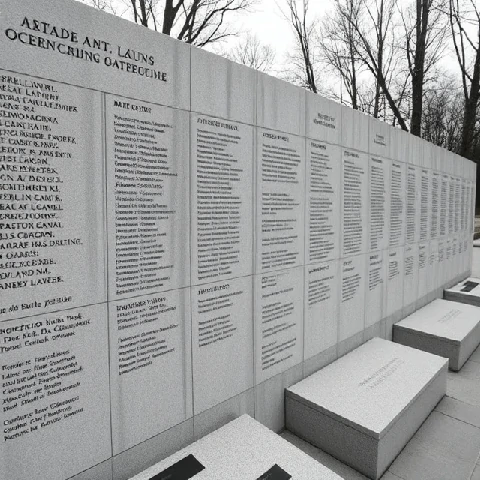
Mass killing aimed at destroying a group has marked multiple episodes of modern history. Genocide is the deliberate attempt to destroy, in whole or in part, a national, ethnic, racial, or religious group. The term was coined during the Second World War and later incorporated into international law.
The Holocaust, the Armenian genocide, the Rwandan genocide, and other cases have been examined by historians, lawyers, and social scientists. Patterns often include dehumanizing propaganda, bureaucratic organization, and the participation or acquiescence of ordinary people. Prevention and punishment remain incomplete.
Scholarly debate continues over definitional boundaries, comparative analysis, and the relationship between genocide and related crimes against humanity. Documentation, survivor testimony, and forensic evidence are essential to establishing the historical record. The concept forces confrontation with the capacity for organized destruction within modern societies.
- Deliberate destruction of a targeted group
- Recognized in international law
- Documented through multiple forms of evidence
- Subject of ongoing historical and legal analysis
Comments
No comments yet. Be the first to share a thought.
Leave a comment