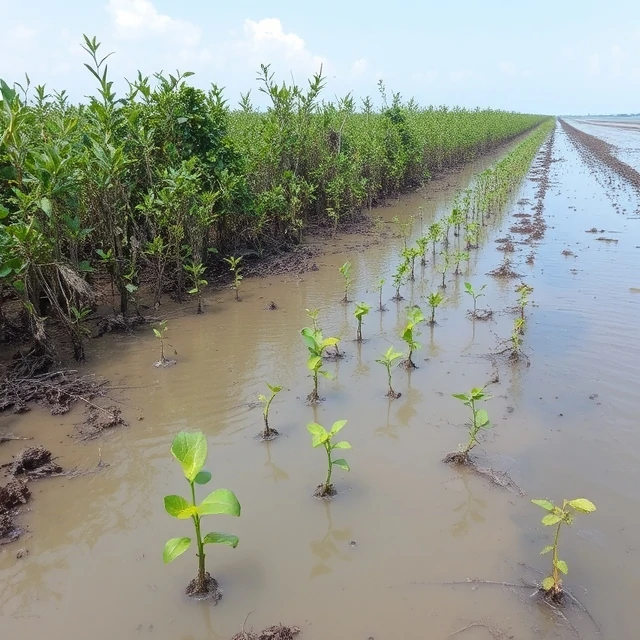
Planting trees sounds simple. Reforestation is the practice of replanting forests in areas where they were removed. It can happen naturally, when seeds from nearby trees colonize abandoned land, or artificially, when people plant seedlings by hand or machine. The goals vary. Some projects aim to restore ecosystems and biodiversity. Others focus on carbon sequestration, timber production, or preventing soil erosion. The scale ranges from a backyard planting to national programs like China's Grain for Green, which has converted millions of hectares of farmland back to forest.
Reforestation is not a simple fix for deforestation. A newly planted forest is not the same as an old-growth one. It may lack the structural complexity, dead wood, and soil diversity that support specialist species. Monoculture plantations of fast-growing trees store less carbon and support fewer species than mixed native forests. In some cases, planting trees in the wrong place can harm ecosystems, like grasslands or peatlands that store carbon below ground. The best reforestation projects use native species, protect existing forests first, and involve local communities in planning and management.
Types of reforestation
- Natural regeneration: letting forests regrow on their own.
- Active planting: sowing seeds or planting seedlings.
- Agroforestry: mixing trees with crops or pasture.
- Mangrove restoration: replanting coastal forests.
Reforestation can help repair damage, but it works best as part of a broader strategy that includes protecting the forests still standing.
Comments
No comments yet. Be the first to share a thought.
Leave a comment