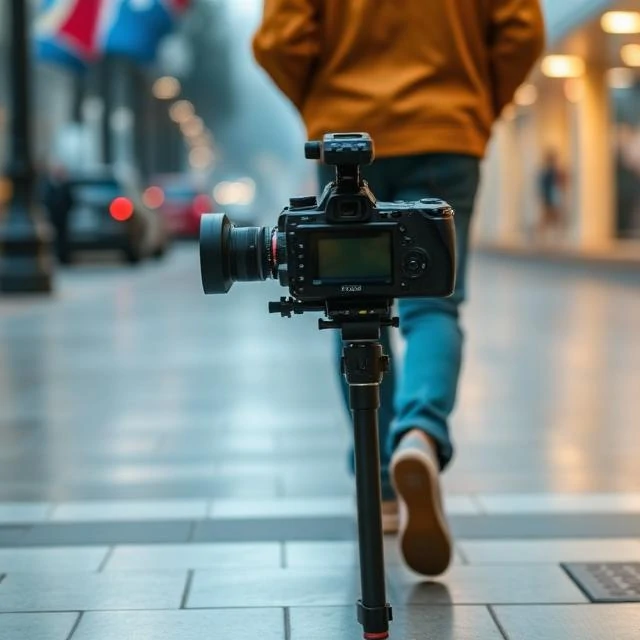
A tracking shot moves the camera alongside the subject. The camera follows the subject as they walk, run, or drive. The camera may be on a dolly, a Steadicam, a vehicle, or a handheld rig. The tracking shot creates a sense of movement and immersion. The audience moves with the character. They are not just watching. They are there.
Tracking shots come in several forms. A dolly shot moves the camera on a track, smooth and controlled. A Steadicam shot moves the camera on a stabilizing rig, fluid and free. A handheld tracking shot moves with the operator, shaky and immediate. A vehicle tracking shot uses a car or a motorcycle to follow the subject. Each form has its own effect. The dolly shot is precise and cinematic. The Steadicam shot is immersive and graceful. The handheld shot is urgent and raw. The choice depends on the scene and the mood.
Tracking shots are often used to build tension. A long tracking shot through a crowded hallway creates a sense of anticipation. A tracking shot through a battlefield creates a sense of chaos. A tracking shot following a character through a party creates a sense of immersion. The tracking shot can be a showpiece. The Copacabana shot in Goodfellas, the opening shot of Touch of Evil, and the trench run in 1917 are famous examples. The tracking shot is not just a camera move. It is a way of experiencing the film.
Comments
No comments yet. Be the first to share a thought.
Leave a comment