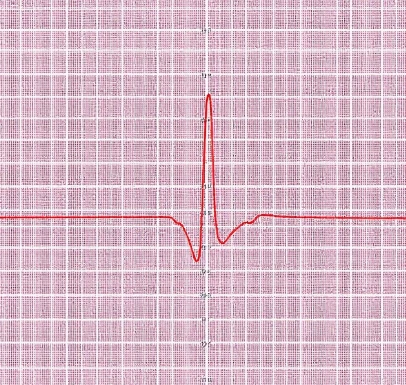
At rest the interior of a neuron is negatively charged relative to the outside. When positively charged ions enter or negatively charged ions leave, that voltage difference shrinks. The membrane is said to depolarize.
Modest depolarization can open voltage-gated sodium channels and, if threshold is reached, trigger an action potential. Subthreshold depolarizations decay with distance and time, allowing the neuron to integrate many inputs before deciding whether to fire. Synaptic currents, sensory receptor potentials, and experimentally injected currents all produce depolarization.
The opposite process, hyperpolarization, makes firing less likely. The interplay of depolarizing and hyperpolarizing influences at every moment determines the neuron’s output. Pharmacological agents and toxins that alter depolarization are used both as research tools and as medications affecting excitability.
- Reduction of the membrane’s negative potential
- Moves the neuron closer to firing threshold
- Caused by inward positive or outward negative current
- Essential step toward action-potential generation
Comments
No comments yet. Be the first to share a thought.
Leave a comment