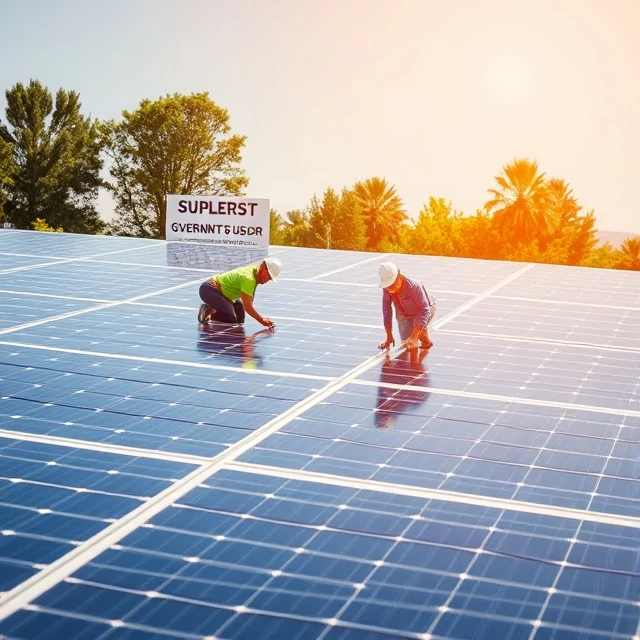
A subsidy is a government payment that lowers the cost of producing or buying something. It can go to farmers, renewable energy firms, airlines, or households. The goal is to encourage an activity that the market would otherwise underprovide.
Subsidies take many forms. Direct cash payments are the most visible. Tax breaks, low-interest loans, and price supports also count. Governments use them to protect industries, promote green technology, keep food prices low, or support regions with weak economies.
Critics point to drawbacks. Subsidies distort prices and can create dependency. They are hard to remove once in place. They sometimes benefit large firms more than the people they claim to help. Supporters argue that some activities, like renewable energy or basic research, need a push to get started.
Common types
- Agricultural subsidies
- Energy subsidies
- Housing subsidies
- Export subsidies
- Research and development grants
Comments
No comments yet. Be the first to share a thought.
Leave a comment