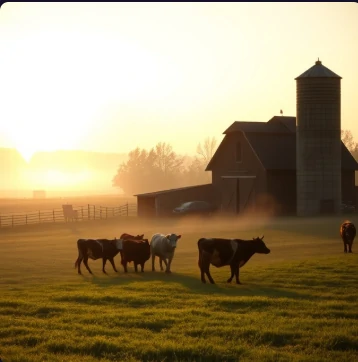
Rural sociology is the study of social life in rural areas. It examines farming communities, small towns, land use, migration, and the relationship between rural and urban societies. It emerged in the United States in the early 20th century, when the country was still largely agricultural.
The field has evolved. Early rural sociologists studied farm families and community organizations. Today, they study food systems, environmental justice, rural poverty, and the opioid crisis. They also examine how globalization and technology reshape rural life.
Key topics
- Agricultural change and family farms
- Rural poverty and food insecurity
- Population decline and aging
- Land use and environmental policy
- Rural-urban migration and remittances
Rural sociology matters because rural areas are not just smaller versions of cities. They have distinct social structures, cultures, and problems. Rural residents often have less access to healthcare, education, and broadband. They also have stronger community ties in some ways. The field documents both.
Comments
No comments yet. Be the first to share a thought.
Leave a comment