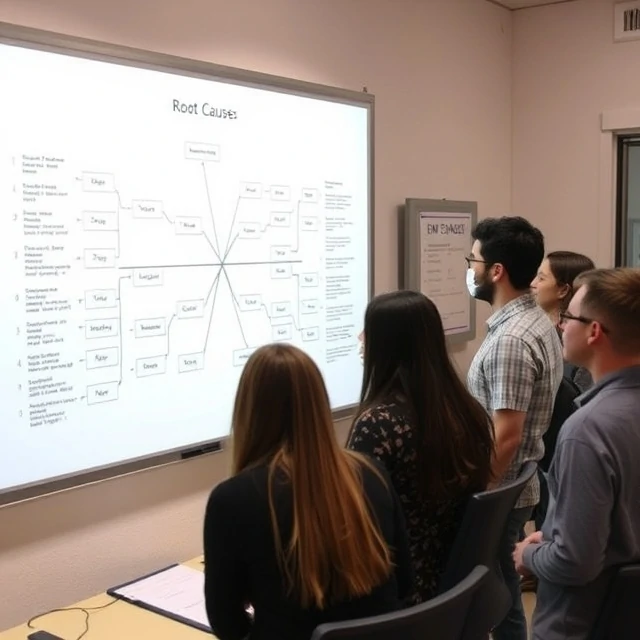
Symptoms tempt quick fixes; causes demand deeper work. Problem solving is the systematic process of defining issues, diagnosing root causes, generating options, and implementing solutions that address the underlying problem.
Structured methods—such as five whys, fishbone diagrams, and hypothesis-driven analysis—reduce the risk of treating noise as signal. Effective problem solvers separate facts from assumptions and test ideas before full-scale rollout. Speed matters, yet so does avoiding repeated failure.
Organizations that teach shared problem-solving routines build collective capability. Those that reward only heroic firefighting perpetuate the fires. Documenting solutions and preventing recurrence turns individual cleverness into organizational learning.
- Systematic diagnosis and resolution of issues
- Focuses on root causes, not only symptoms
- Uses structured methods and tested options
- Strengthened by shared routines and learning
Comments
No comments yet. Be the first to share a thought.
Leave a comment