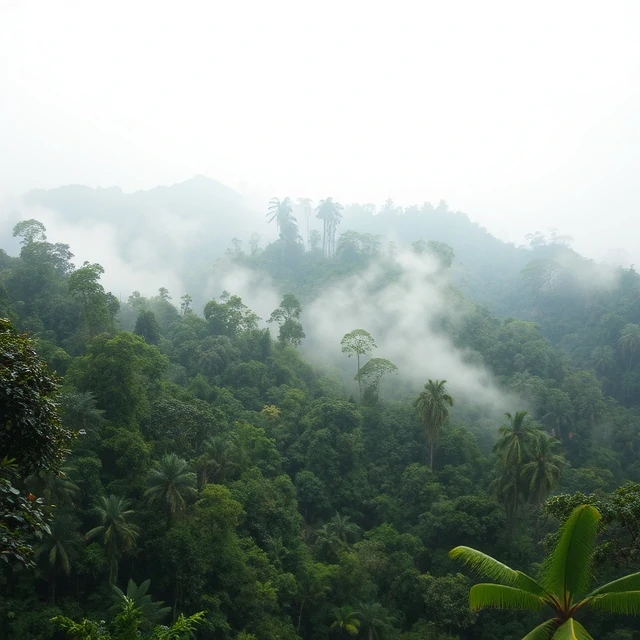
Travel far enough and the plants and animals change in predictable ways. A biome is a broad geographic region defined by its climate and the characteristic community of organisms adapted to it. Tropical rainforests, temperate grasslands, and arctic tundra are familiar examples.
Temperature and precipitation set the boundaries. Within a biome the same growth forms reappear on different continents—coniferous forests in Canada and Siberia, for instance. Soil type and disturbance regimes such as fire further shape the living community.
Biomes are not static. Climate change is already shifting their edges, pushing tree lines higher and expanding dry zones. Ecologists map biomes to understand biodiversity patterns and to predict how ecosystems will respond to warming. Each biome offers a distinct set of resources and constraints for human use.
- Large region with shared climate and life forms
- Defined mainly by temperature and rainfall
- Includes forests, grasslands, deserts, tundra
- Boundaries can shift with climate
Comments
No comments yet. Be the first to share a thought.
Leave a comment