Children resemble their parents for a reason. Heredity is the transmission of traits from one generation to the next through genetic information. DNA carries the instructions; meiosis and fertilization shuffle and recombine them.
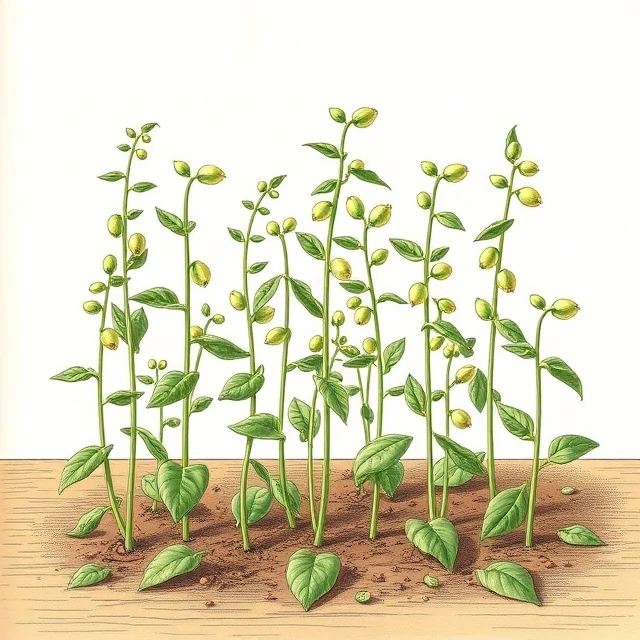
Mendel’s experiments with pea plants revealed discrete units of inheritance that segregate and assort independently. Modern genetics has expanded the picture to include linkage, epistasis, epigenetic marks, and complex polygenic traits. Both nuclear and mitochondrial genomes contribute to the hereditary material.
Understanding heredity explains family resemblance, predicts recurrence risks for genetic disorders, and underpins selective breeding and evolutionary theory. Every individual is a unique combination of parental alleles, yet the underlying rules of transmission remain constant.
- Passing of traits from parents to offspring
- Mediated by genes and chromosomes
- Follows Mendelian and non-Mendelian patterns
- Foundation of genetics and evolution
Comments
No comments yet. Be the first to share a thought.
Leave a comment