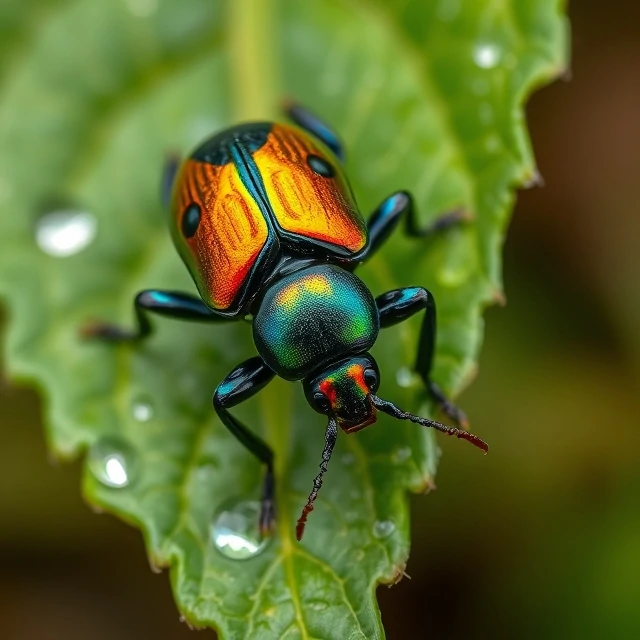
Wildlife means animals and plants living in their natural environment, without human care or domestication. A deer in a forest, a whale in the open ocean, a beetle under a log. The term usually refers to animals, though it can include wild plants and fungi. It covers the small and overlooked as much as the large and charismatic.
Wildlife is not separate from human life. It pollinates crops, controls pests, disperses seeds, and cycles nutrients. Birds eat insects that would otherwise destroy harvests. Bees and butterflies move pollen between flowers. Predators keep rodent populations in check. These services happen quietly and often go unnoticed until they stop.
Wildlife faces mounting pressure. Habitat loss is the biggest threat, followed by pollution, invasive species, overexploitation, and climate change. Roads fragment territories. Pesticides remove food sources. Poaching targets valuable species. Some animals adapt to cities and farmland. Others disappear. Conservation efforts have saved species like the bald eagle, the Iberian lynx, and the mountain gorilla. But the overall trend is decline, and the pace is accelerating in many regions.
Common categories
- Mammals
- Birds
- Reptiles and amphibians
- Fish and marine life
- Insects and other invertebrates
Comments
No comments yet. Be the first to share a thought.
Leave a comment