Climate change refers to long-term shifts in global temperatures and weather patterns. Natural forces like volcanic eruptions and solar cycles have always caused changes. What is happening now is different. It is driven by human activity, mainly the burning of fossil fuels. The pace is far faster than natural shifts.
The evidence is broad. Global average temperatures have risen about 1.1 degrees Celsius since pre-industrial times. Sea levels are rising as ice sheets melt and water expands. Heat waves, droughts, and heavy rainfall are becoming more intense in many regions. Arctic sea ice is shrinking. Coral reefs are bleaching.
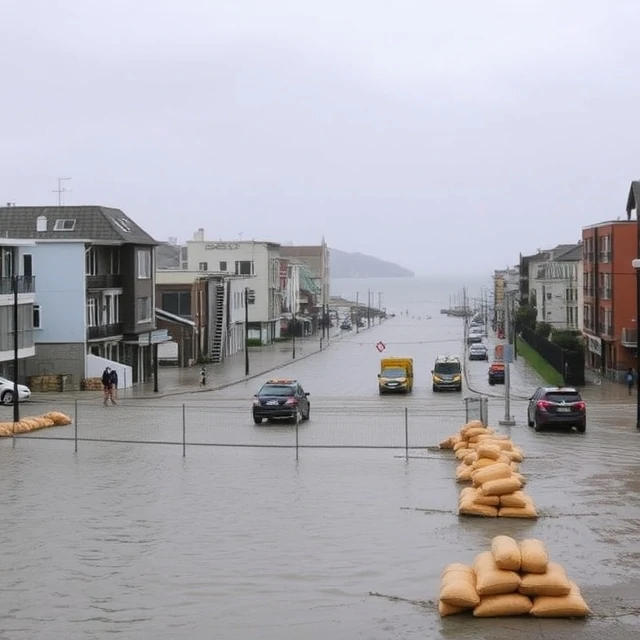
The consequences are uneven. Poorer countries often face the worst impacts with the fewest resources to adapt. Coastal cities are vulnerable to flooding. Farmers face unpredictable seasons. Some regions may benefit in the short term, but the overall trend is negative. Reducing emissions and adapting to changes already underway are both essential.
Main drivers
- Burning fossil fuels
- Deforestation
- Agriculture and livestock
- Industrial processes
- Waste decomposition
Comments
No comments yet. Be the first to share a thought.
Leave a comment