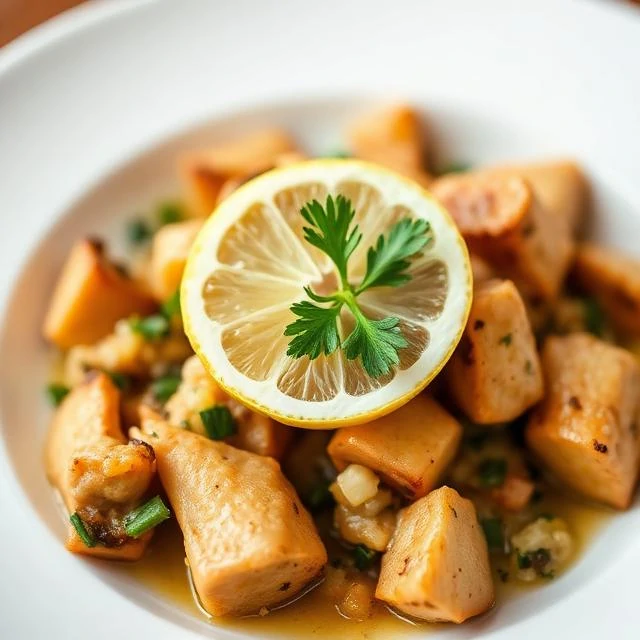
A garnish is a decorative edible item added to a dish for visual appeal. It is the finishing touch. It is the last thing the cook does before the dish leaves the kitchen. A sprig of parsley. A slice of lemon. A sprinkle of sesame seeds. A drizzle of sauce. A dusting of paprika. The garnish is small. It is not the meal. But it is the presentation. It is the polish. It is the care. The garnish says the cook paid attention. The garnish says the dish is complete. The garnish is the signature.
Garnishes come in many forms. Herbs are common. Parsley, cilantro, basil, and mint are used fresh. Citrus is common. Lemon, lime, and orange slices add color and acidity. Seeds and nuts add texture. Sauces and oils add shine. Flowers add elegance. The garnish must be edible. It must be fresh. It must be appropriate. It must not overpower the dish. It must complement the dish. The garnish is the accent. The dish is the statement. The garnish is the punctuation. It adds emphasis. It adds nuance. It adds beauty. It adds care.
Garnish is not just decoration. It can add flavor. A squeeze of lemon adds acid. A sprinkle of salt adds seasoning. A drizzle of olive oil adds richness. A sprig of mint adds aroma. The garnish can be functional. It can be flavorful. It can be beautiful. The cook chooses the garnish. The cook places the garnish. The cook finishes the dish. The garnish is the last step. The garnish is the final touch. The garnish is the cook's gift to the diner. The diner eats with their eyes first. The garnish is the first impression. The garnish is the welcome. The garnish is the same. The same is the meal. The meal is the garnish. The garnish is the cook. The cook is the garnish. The garnish is the same.
Comments
No comments yet. Be the first to share a thought.
Leave a comment