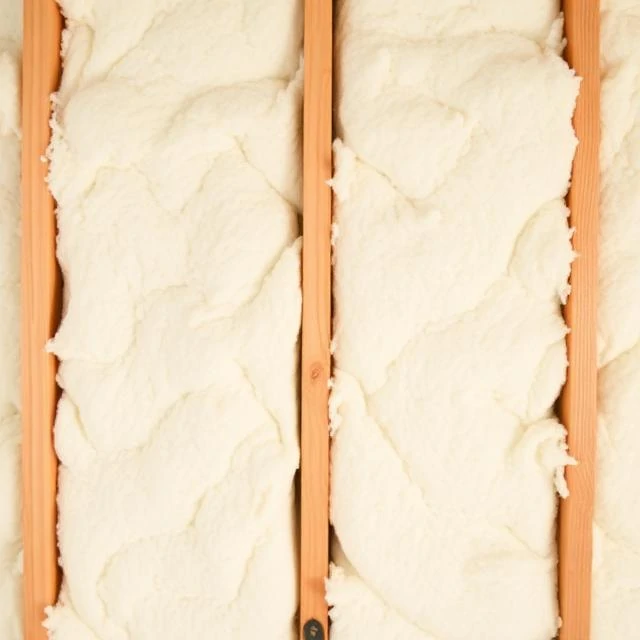
Insulation reduces heat transfer through walls, floors, or roofs. It keeps buildings warm in winter and cool in summer. It reduces energy use and improves comfort. It works by trapping air in small pockets. Still air is a poor conductor of heat. The more air pockets, the better the insulation. The material can be fiberglass, mineral wool, cellulose, foam, or cotton. Each has its own R-value, which measures resistance to heat flow. The higher the R-value, the better the insulation.
Insulation comes in several forms. Batts are pre-cut panels that fit between studs and joists. Blown-in insulation is loose material that is pneumatically installed in attics and walls. Rigid foam boards are used on exteriors and roofs. Spray foam expands to fill gaps and seal air leaks. Each has its own application. The choice depends on the space, the climate, and the budget. Insulation must be installed correctly. Gaps, compression, and moisture reduce performance.
Insulation is not just about temperature. It also affects acoustics and fire safety. Some materials are better at blocking sound. Some are fire-resistant. Some are made from recycled materials. Some are treated with flame retardants. The code specifies the minimum R-value for each climate zone. The insulation must be installed with a vapor barrier in some climates to prevent moisture from condensing inside the wall. Insulation is invisible. Its effects are felt every day. It is one of the best investments in a building.
Comments
No comments yet. Be the first to share a thought.
Leave a comment