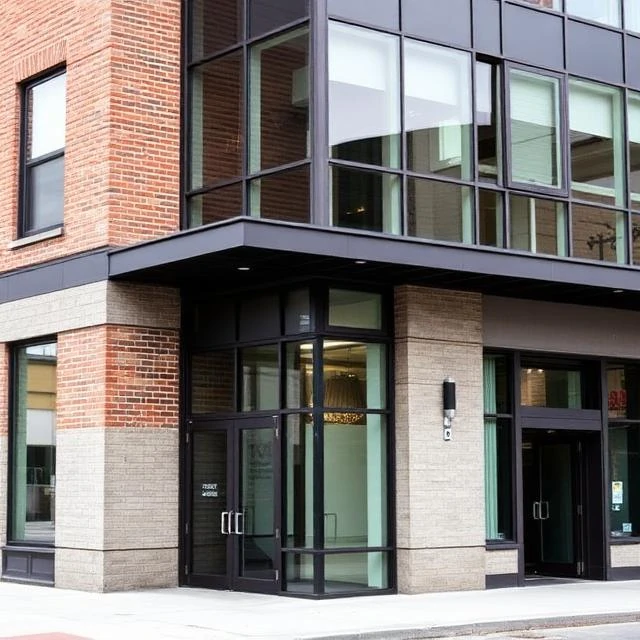
Cladding is the outer skin of a building. It protects the structure from rain, wind, and sun, and it determines much of what you see when you look at a facade. Cladding can be brick, stone, metal, glass, wood, concrete, or composite panels.
The word covers a wide range of systems. A brick veneer is a type of cladding. So is a glass curtain wall. So is a metal panel system on a warehouse. The common thread is that cladding is separate from the structure — it hangs off the frame rather than carrying load.
Performance matters more than appearance. Cladding must shed water, resist wind pressure, accommodate movement, and meet fire safety requirements. High-rise buildings have strict rules about combustibility, especially after several devastating facade fires.
Designers often use cladding to give a building its identity. A perforated metal screen, a terracotta baguette, a weathering steel panel — these choices signal what kind of building it is and how it wants to be seen.
Comments
No comments yet. Be the first to share a thought.
Leave a comment