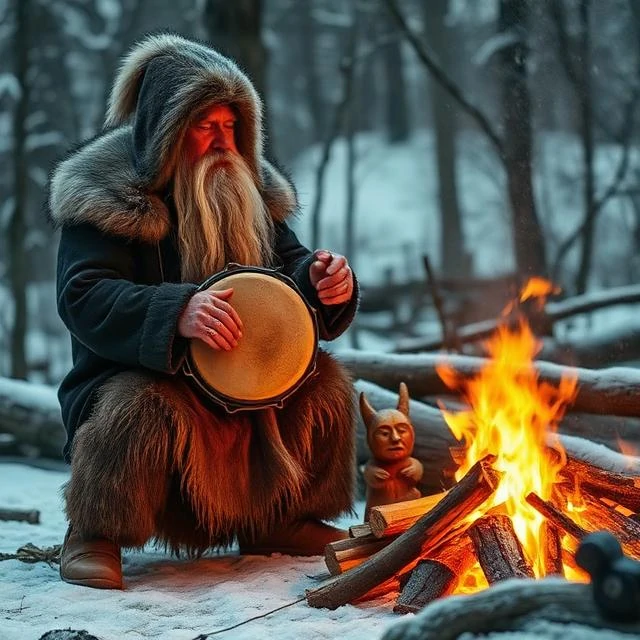
Animism is the belief that objects and natural phenomena possess souls. It is the belief that animals, plants, rocks, rivers, and weather have spiritual essence. The term comes from the Latin anima, meaning soul. It was coined by anthropologist E.B. Tylor in 1871. He considered it the earliest form of religion. It is found in indigenous cultures around the world.
Animism is not a single religion. It is a worldview. It sees the world as alive. It sees spirits in everything. It sees humans as part of nature, not above it. It emphasizes respect for the natural world. It emphasizes reciprocity. It emphasizes ritual. It is often practiced alongside other religions. A person can be Christian and animist. A person can be Buddhist and animist. It is a way of relating to the world.
Animist beliefs and practices
- Spirits inhabit trees, rivers, and mountains.
- Animals have souls and agency.
- Rituals honor and appease spirits.
- Shamans mediate between humans and spirits.
- Nature is sacred, not a resource.
Animism is often misunderstood. It is not primitive. It is not superstition. It is a sophisticated worldview. It sees connections that modern society ignores. It sees the sacred in the ordinary. It sees the person in the tree. It sees the spirit in the river. It challenges the idea that only humans have value. It challenges the idea that nature is dead matter. It calls for humility. It calls for respect. It calls for care. Animism is a reminder that we are not alone. We share the world with spirits. We share the world with other beings. We are part of a larger whole. That is a truth worth remembering. In a time of environmental crisis, animism has something to teach us. The world is alive. Treat it that way.
Comments
No comments yet. Be the first to share a thought.
Leave a comment