Sound is analog. So is temperature, pressure, and light. An analog signal is a continuous signal representing physical quantities. It varies smoothly over time. There are no discrete steps. The signal can take any value within a range.
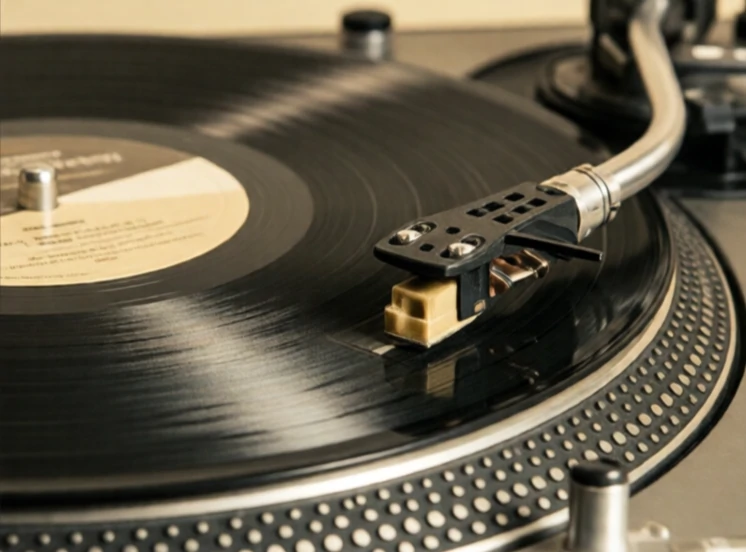
Analog signals have been used since the first telephone. Alexander Graham Bell's device converted sound waves into electrical waves. The electrical signal mirrored the sound. Radio and television broadcasts were analog for decades. Vinyl records and cassette tapes are analog storage.
Characteristics
- Continuous: no discrete values
- Susceptible to noise: interference adds to the signal
- Difficult to compress: every part matters
- Easy to convert: microphones and speakers are inherently analog
Digital technology replaced analog for most communication. Digital signals are easier to store, compress, and error-correct. But the physical world is still analog. Every digital system has analog components at the edges: sensors, antennas, speakers, and displays. The conversion happens at the boundary.
Comments
No comments yet. Be the first to share a thought.
Leave a comment