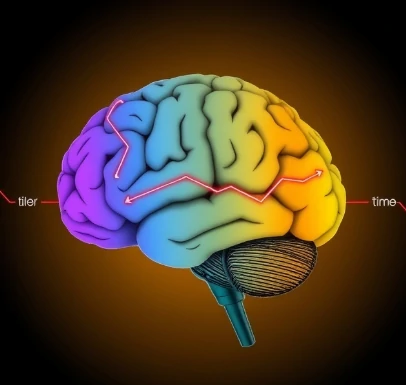
A newly formed memory is initially fragile. Over time it becomes more stable and resistant to interference through a process called consolidation. The transformation involves both synaptic changes at the cellular level and gradual reorganization of the circuits that store the memory.
Synaptic consolidation occurs within hours and depends on protein synthesis and structural remodeling of synapses. Systems consolidation can take days to years and often involves a shift from hippocampus-dependent representations toward more distributed cortical ones, especially for declarative memories. Sleep, particularly slow-wave and REM stages, appears to facilitate these processes.
Interfering with consolidation—through drugs, electroconvulsive stimulation, or competing learning—can weaken or erase recent memories while sparing older ones. Understanding consolidation has implications for treating traumatic memories and for enhancing educational outcomes.
- Stabilization of newly formed memories
- Includes synaptic and systems levels
- Often facilitated by sleep
- Vulnerable to interference when recent
Comments
No comments yet. Be the first to share a thought.
Leave a comment