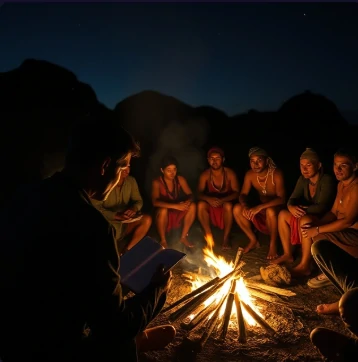
An anthropologist moves into a village and lives there for a year. A sociologist takes a job at a factory to study workers. A researcher joins an online forum and participates in discussions. Participant observation is a method where the researcher joins the daily life of the people being studied while observing them.
The method was pioneered by Bronisław Malinowski in the Trobriand Islands and by the Chicago School of sociology. It requires the researcher to balance two roles: participant and observer. Too much participation risks losing objectivity. Too much observation risks missing trust and access.
Strengths and challenges
- Access to natural behavior, not staged responses
- Deep understanding of context and meaning
- Flexible and exploratory
- Time-consuming and emotionally demanding
- Risk of bias and ethical dilemmas
Ethics are central. Researchers must be transparent when possible, protect identities, and avoid harm. Covert observation, where subjects do not know they are being studied, is controversial and sometimes necessary.
Comments
No comments yet. Be the first to share a thought.
Leave a comment