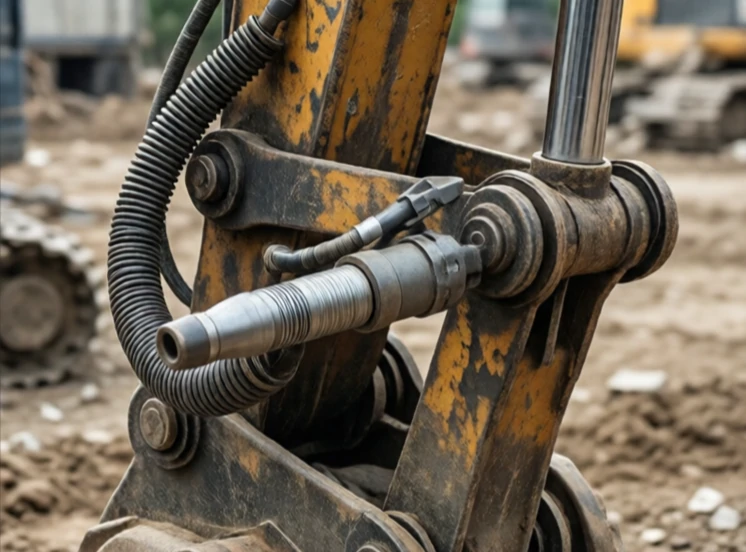
An actuator turns energy into motion. In a robot, it is the muscle. Electric motors, hydraulic cylinders, and pneumatic pistons are all actuators. They take a command signal and produce movement, force, or torque.
Electric actuators dominate modern robotics. They are clean, precise, and easy to control. Brushless DC motors with gearboxes and encoders provide position feedback. Hydraulic actuators produce enormous force in a compact package, which is why they power excavators and large industrial robots. Pneumatic actuators are fast and cheap but hard to control precisely because air compresses.
Types of actuators
- Electric motor: rotary motion, precise, common.
- Linear actuator: extends and retracts, often motor-driven.
- Hydraulic cylinder: high force, fluid-powered.
- Pneumatic cylinder: fast, lightweight, compressible.
- Shape memory alloy: changes shape with heat, niche use.
Choosing an actuator means balancing force, speed, precision, size, and cost. A surgical robot needs tiny, precise electric motors. A factory press needs brute hydraulic force. A pick-and-place machine needs speed and repeatability. The actuator is where software commands become physical action. Get it wrong and the whole system underperforms. Get it right and the robot moves with a naturalness that looks almost effortless.
Comments (2)
Leave a comment