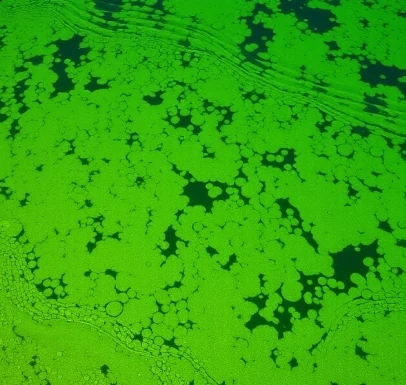
When excess nutrients enter a water body, plant and algal growth can accelerate beyond natural levels. This nutrient enrichment is eutrophication. In the ocean it is most pronounced in coastal zones that receive agricultural runoff, sewage, and atmospheric nitrogen deposition.
The immediate result is often denser phytoplankton blooms. When the extra organic matter sinks and decomposes, oxygen is consumed, sometimes producing hypoxia or anoxia. Shifts in species composition, loss of seagrasses through shading, and more frequent harmful algal blooms are additional consequences. The ecological and economic costs include fish kills, closed shellfish beds, and degraded recreational waters.
Controlling eutrophication requires reducing nutrient inputs at their sources—through fertilizer management, wastewater treatment, and protection of wetlands that intercept nutrients. Recovery can take years to decades after loads are reduced, because sediments continue to release stored nutrients. Monitoring programs track chlorophyll, oxygen, and nutrient concentrations to assess status and trends.
A once-clear coastal bay can become chronically turbid and oxygen-stressed under sustained eutrophication.
Comments
No comments yet. Be the first to share a thought.
Leave a comment