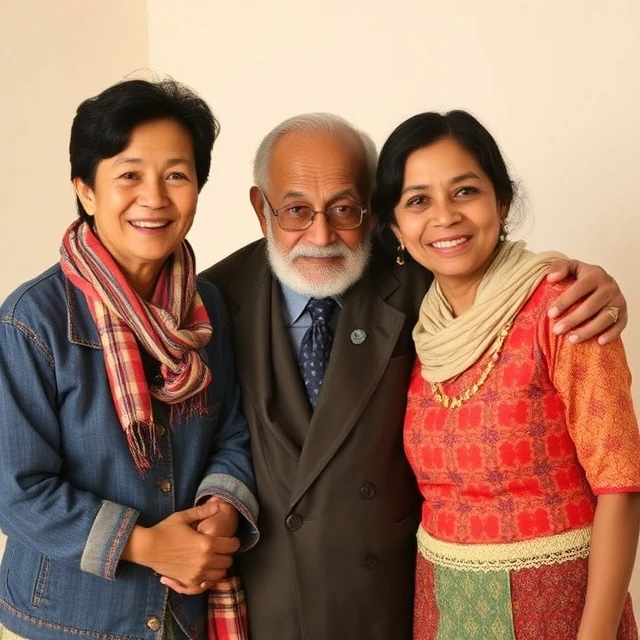
Whole communities sometimes change the language they use day to day. Language shift is the process by which a speech community progressively abandons one language in favor of another, usually over several generations.
Shift often begins in public domains such as school and work, then invades the home. Intermediate bilingual generations may use the heritage language only with elders. Economic opportunity, prestige, intermarriage, and state policy accelerate or slow the process.
Documenting shift helps predict endangerment and target revitalization. Sociolinguistic surveys measure domain use and intergenerational transmission. Shift is not inevitable; stable bilingualism can persist when communities value both languages and create institutional support.
- Community-level replacement of one language by another
- Typically unfolds across generations and domains
- Driven by prestige, economy, and policy
- Can lead to endangerment if unchecked
Comments
No comments yet. Be the first to share a thought.
Leave a comment