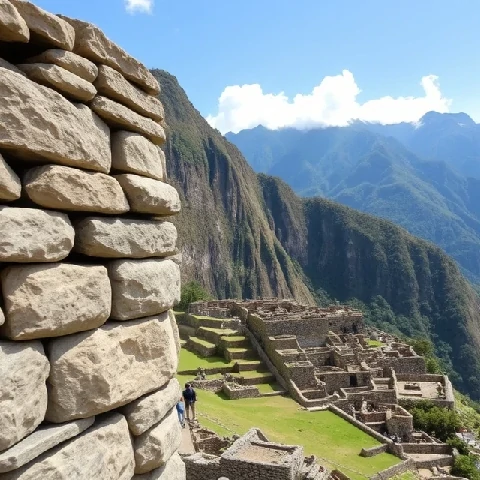
High in the Andes a centralized state linked diverse ecological zones. The Inca Empire, at its height in the early sixteenth century, stretched from present-day Colombia to Chile, bound together by roads, administrative centers, and a system of labor tribute.
Without writing as usually defined, the Inca used quipus for record-keeping and an oral bureaucratic tradition. Monumental stone architecture, agricultural terracing, and state-sponsored redistribution sustained the realm. Cusco served as the symbolic and administrative capital.
Spanish conquest after 1532 fractured the empire, though resistance continued for decades. Archaeology and early colonial chronicles provide the main evidence. The Inca achievement in engineering and statecraft continues to impress, while debates persist over the degree of coercion and the experiences of subject peoples.
- Andean empire of the early 16th century
- Linked by roads and labor tribute
- Centered on Cusco
- Conquered by Spanish forces after 1532
Comments
No comments yet. Be the first to share a thought.
Leave a comment