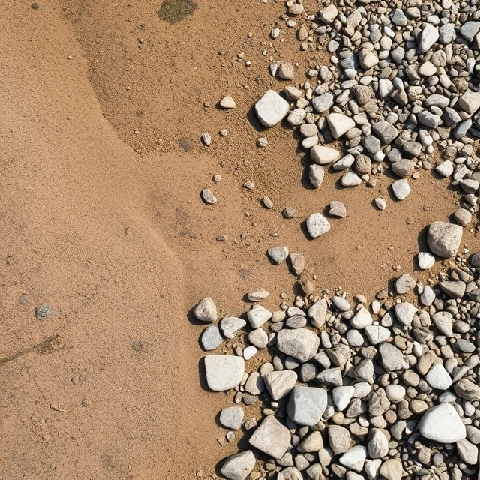
Broken rock and dissolved material do not stay in place indefinitely. Sediment is particulate matter that has been transported and deposited by water, wind, ice, or gravity. It ranges from boulders to clay and includes organic remains and chemical precipitates.
Clastic sediment is derived from mechanical weathering of pre-existing rocks. Chemical sediment precipitates from solution. Biogenic sediment consists of shells, tests, and plant debris. Texture, composition, and sedimentary structures record the transport history and depositional environment.
Sediment is the raw material of sedimentary rocks. Modern sediments on river beds, beaches, and the seafloor provide analogues for interpreting ancient deposits. Rates of sediment supply and accommodation space control whether a basin fills or remains underfilled. Managing sediment is also a practical concern in reservoirs, harbors, and coastal protection.
- Transported and deposited particulate material
- Includes clastic, chemical, and biogenic types
- Records transport and depositional conditions
- Source material for sedimentary rocks
Comments
No comments yet. Be the first to share a thought.
Leave a comment