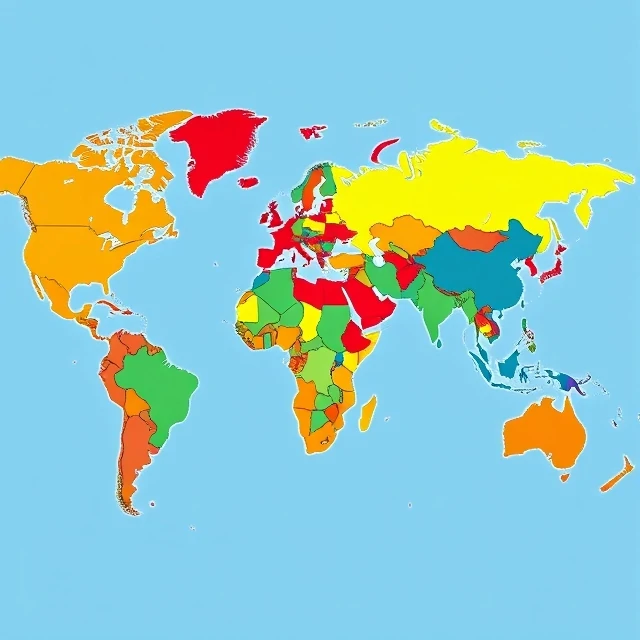
Flags, passports, and national anthems belong to countries. A country is a political unit with defined territory, a permanent population, a government, and the capacity to enter into relations with other states. Sovereignty is the core attribute.
Countries vary enormously in size, population, and internal organization. Some are unitary; others are federations of states or provinces. Borders may be long-settled or actively disputed. Recognition by other countries and membership in international organizations confirm statehood in practice.
Inside its borders a country sets laws, collects taxes, and provides public services. Outside, it negotiates trade, security, and environmental agreements. The number of countries has grown as empires dissolved and new states emerged. Each remains a primary framework for political identity and authority.
- Sovereign political territory
- Has government, population, and borders
- Capable of international relations
- Varies widely in size and structure
Comments (3)
Leave a comment