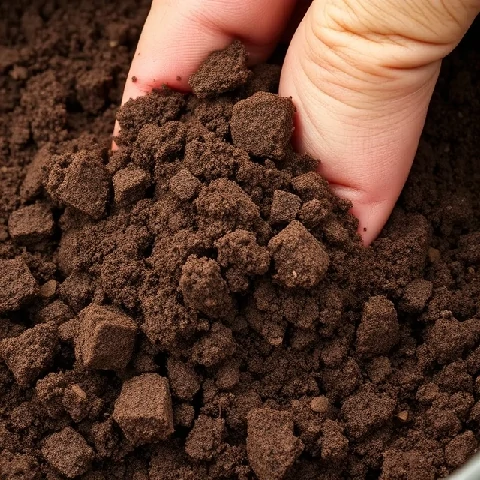
In waterlogged bogs, plant material accumulates faster than it can fully decay. Peat is the partially broken-down organic matter that results, harvested and dried for use in gardening. It holds moisture well, improves soil structure, and has long been a key ingredient in potting mixes.
Sphagnum peat is the most common type in horticulture. It is acidic, low in nutrients, and sterile when processed. Gardeners mix it into heavy clay to lighten texture or into sandy soils to increase water retention. Many commercial seed and potting composts still rely on it, though alternatives are gaining ground.
Extraction raises environmental concerns because peat bogs store large amounts of carbon and support unique wildlife. Gardeners increasingly turn to coir, composted bark, or leaf mold as substitutes. When peat is used, it should be combined with other materials rather than applied pure, and only where its moisture-holding properties are genuinely needed.
- Partially decayed plant matter from bogs
- Improves moisture retention in soil mixes
- Acidic and low in nutrients
- Often replaced by more sustainable alternatives
Comments
No comments yet. Be the first to share a thought.
Leave a comment