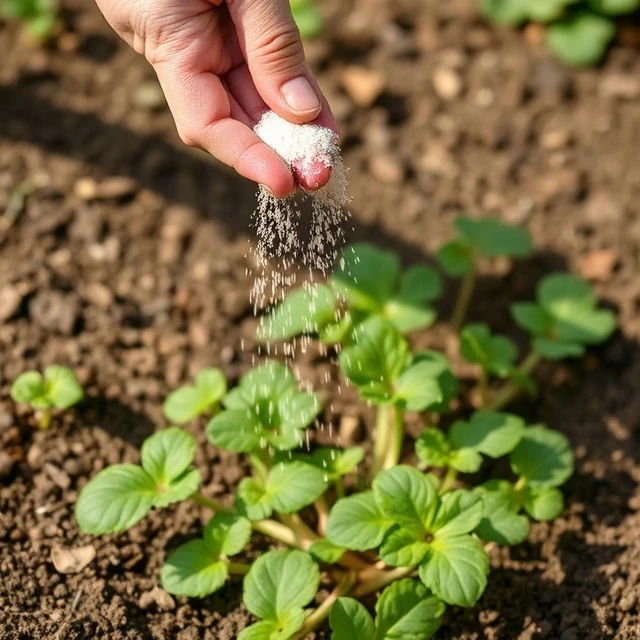
Soil does not always supply every nutrient a plant needs in the right amounts. Fertilizer is any material added to provide those missing elements—primarily nitrogen, phosphorus, and potassium, along with secondary and micronutrients. It can be synthetic granules, liquid concentrates, or natural materials such as blood meal and bone meal.
Application rates matter. Too little produces pale, weak growth; too much burns roots or encourages soft, disease-prone tissue. Slow-release formulations feed plants over weeks or months. Water-soluble types act quickly and suit container plants or rapid corrections.
Soil tests guide choices. Different crops have different needs: leafy vegetables want more nitrogen, while flowering and fruiting plants need balanced or higher phosphorus and potassium. Always water after applying dry fertilizer to move nutrients into the root zone.
- Supplies essential plant nutrients
- Available in synthetic and organic forms
- Should match crop requirements
- Overuse can harm plants and environment
Comments
No comments yet. Be the first to share a thought.
Leave a comment