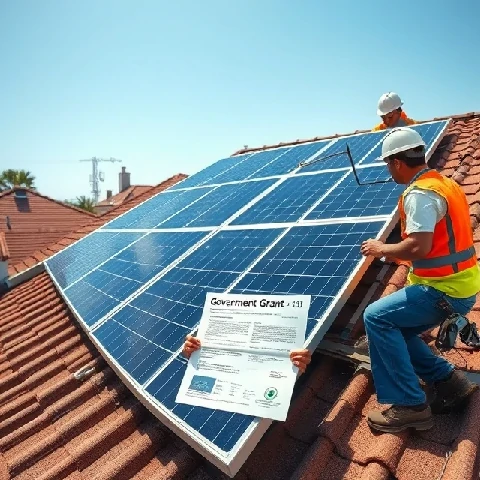
An energy subsidy is government support that lowers the cost of energy production or consumption. It can take the form of direct payments, tax breaks, cheap loans, or price controls. The goal is usually to make energy more affordable, promote a particular source, or protect domestic industries.
Subsidies flow to both fossil fuels and renewables. Fossil fuel subsidies exceed $5 trillion globally when externalities are counted, according to the IMF. They keep gasoline and diesel cheap in many countries. Renewable subsidies have driven down the cost of solar and wind dramatically over the past decade.
Critics argue that subsidies distort markets and lock in wasteful consumption. Supporters say they are needed to launch new technologies or protect low-income households. The debate is not about whether to subsidize, but what and how much. A well-designed subsidy phases out as a technology matures. A poorly designed one becomes permanent.
Common forms
- Direct payments
- Tax credits and deductions
- Low-interest loans
- Price controls
- Research and development grants
Comments
No comments yet. Be the first to share a thought.
Leave a comment