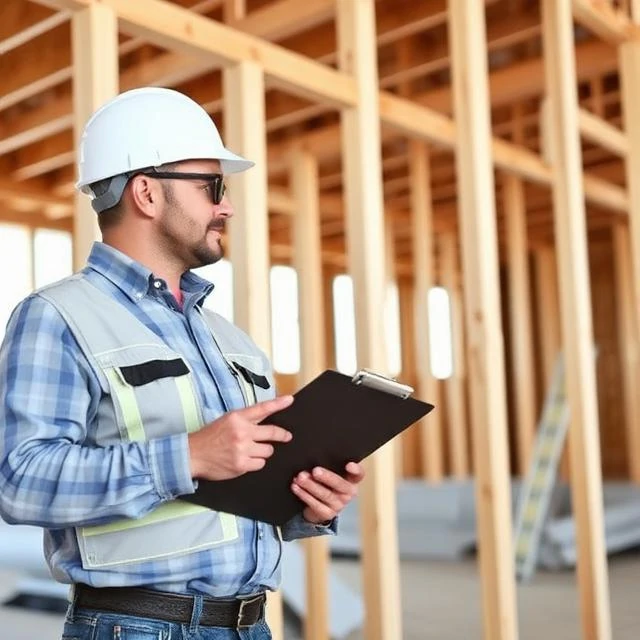
A building inspector walks onto a job site with a clipboard and a code book. They check the work against the approved plans and the building code. They look at the foundation, the framing, the electrical, the plumbing, the insulation, and the final finishes. They issue a pass or a fail. If the work fails, the contractor must correct it and call for a re-inspection. The building inspection is a checkpoint. It ensures that the building is safe and compliant.
Inspections happen at specific stages. A foundation inspection occurs after the footings and forms are in place but before the concrete is poured. A framing inspection occurs after the walls and roof are framed but before the drywall is installed. A rough-in inspection occurs after the electrical, plumbing, and HVAC lines are run but before they are covered. A final inspection occurs when the work is complete. Some jurisdictions require additional inspections for fire sprinklers, elevators, and energy compliance.
Building inspections are required by law. The building department issues the permit and conducts the inspections. Without a passing final inspection, the building cannot receive a certificate of occupancy. That means no one can legally occupy it. Inspections add time and cost to a project, but they protect the owner, the occupants, and the public. A building that passes inspection is not necessarily a good building. But it is a safe one.
Comments (4)
Leave a comment