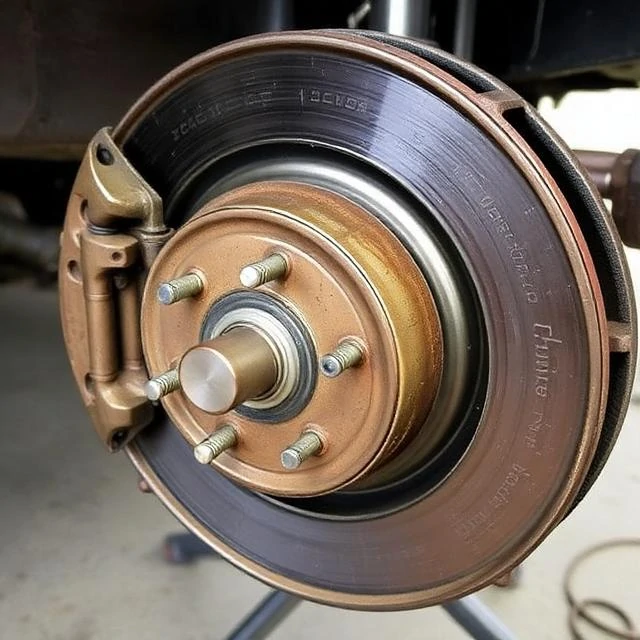
A drum brake slows a wheel by pressing shoes against the inside of a rotating drum. The drum is attached to the wheel and turns with it. When the driver presses the brake pedal, hydraulic pressure pushes a wheel cylinder, which forces the shoes outward. The shoes rub against the drum, creating friction and slowing the wheel.
Drum brakes were standard on all four wheels for decades. They are cheaper to manufacture than disc brakes and can provide strong stopping power at low speeds. They also have a self-energizing effect: the rotation of the drum pulls the leading shoe into contact, increasing braking force with less pedal effort. That is why some trucks and heavy vehicles still use them.
But drum brakes have drawbacks. They trap heat inside the drum, which can cause fade during repeated hard stops. They are harder to service because the springs and shoes are inside the drum. They also do not shed water as well as disc brakes, so they can be less effective after driving through deep water.
Most modern cars use disc brakes at the front and either disc or drum brakes at the rear. Rear drum brakes are common on economy cars and hybrids, where the rear brakes do less work and regenerative braking reduces wear. They are not obsolete. They are just less common.
Comments
No comments yet. Be the first to share a thought.
Leave a comment