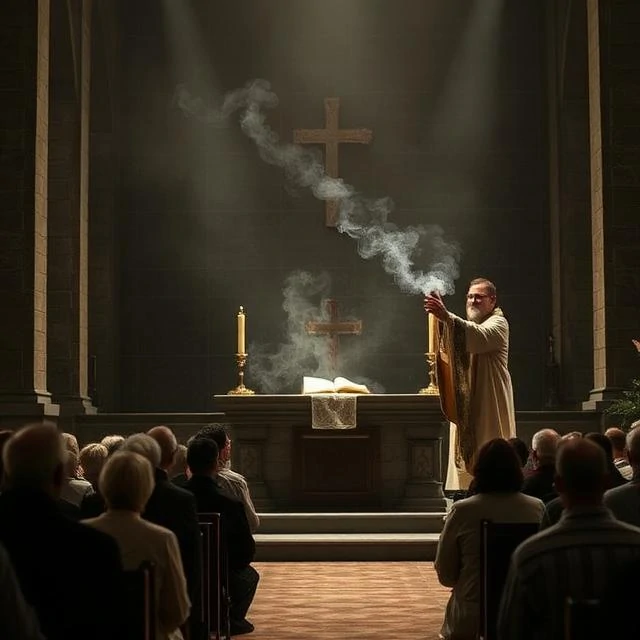
A ritual is a prescribed sequence of symbolic actions performed in a cultural context. It follows a script, though the script may allow improvisation. Rituals mark transitions, express beliefs, reinforce social bonds, and manage anxiety. They can be religious or secular. A wedding, a graduation, a court hearing, and a handshake all carry ritual elements.
What makes an action ritualistic is not the action itself but the framing. Eating bread is ordinary. Eating bread while reciting words and sharing it with a congregation is ritual. Repetition matters. Rituals are performed again and again, often at fixed times and places. That repetition creates a sense of continuity and legitimacy. It also makes the event memorable and emotionally charged.
Functions of ritual
- Marks changes in status or season.
- Communicates shared values and beliefs.
- Creates social solidarity among participants.
- Provides a controlled way to express emotion.
Rituals do not always work as intended. They can fail, be contested, or be reinterpreted. But they remain one of the most durable tools humans use to make meaning together.
Comments
No comments yet. Be the first to share a thought.
Leave a comment