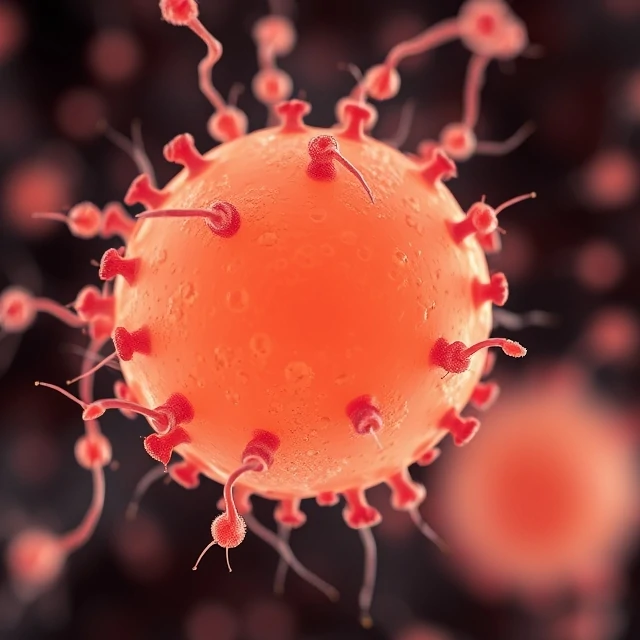
Sexual reproduction depends on specialized cells that carry half the genetic material. A gamete is a mature reproductive cell—sperm in males, egg in females—produced by meiosis. Each gamete contains one set of chromosomes so that fertilization restores the diploid number.
In humans, gametes are haploid, carrying 23 chromosomes. During meiosis, homologous chromosomes separate and crossing over generates new allele combinations. The resulting genetic diversity is a major advantage of sexual reproduction.
Defects in gamete formation can produce aneuploid embryos or reduce fertility. Assisted reproductive technologies manipulate gametes outside the body. Understanding gamete biology is essential for genetics, developmental biology, and reproductive medicine.
- Haploid reproductive cell
- Sperm or egg in animals
- Produced by meiosis
- Fuses at fertilization to form a zygote
Comments
No comments yet. Be the first to share a thought.
Leave a comment