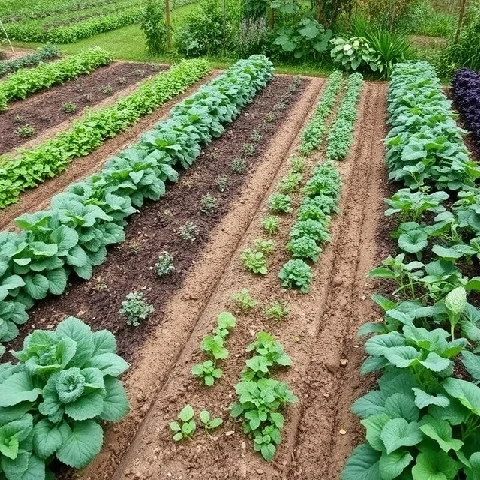
Planting the same crop in the same soil year after year invites trouble. Crop rotation moves plant families around the garden so that pests and diseases specific to one group cannot build up. It also balances nutrient demands because different crops draw different elements from the soil.
A simple four-year cycle might follow legumes, then leafy crops, then fruiting vegetables, then root crops. Legumes leave nitrogen behind; heavy feeders such as tomatoes use it the next season. Root crops help loosen compacted soil. Keeping records prevents accidental repeats.
Even small gardens benefit. Rotate within beds or between raised beds. Cover crops and green manures fit into the sequence during fallow periods. The practice reduces reliance on chemical controls and keeps soil productive longer.
- Changes crops grown in a plot each season
- Reduces pest and disease buildup
- Balances soil nutrient use
- Works in both large fields and small gardens
Comments
No comments yet. Be the first to share a thought.
Leave a comment