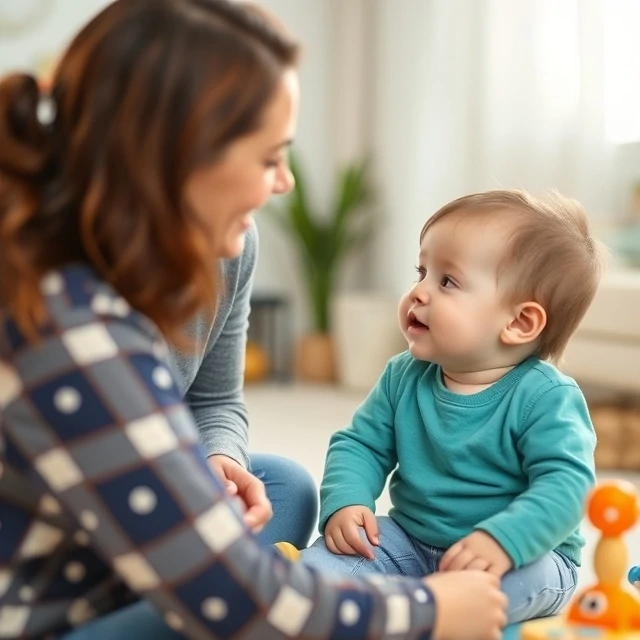
Children move from babbling to complex sentences in a few short years. Language acquisition is the process by which humans develop the ability to comprehend and produce language, especially the natural mastery of a first language in childhood.
Acquisition proceeds through stages affecting sounds, words, grammar, and pragmatic skills. Caregiver input, interaction, and general cognitive growth all contribute; theories disagree about how much structure is innate. Second-language acquisition in later life shares some processes but differs in route and typical outcome.
Researchers record spontaneous speech, run comprehension experiments, and compare diverse languages. Findings inform education, speech-language pathology, and theories of mind. Typical acquisition is robust even under imperfect input.
- Process of learning to use language
- Especially natural first-language development in children
- Proceeds through identifiable stages
- Informs teaching and cognitive science
Comments
No comments yet. Be the first to share a thought.
Leave a comment