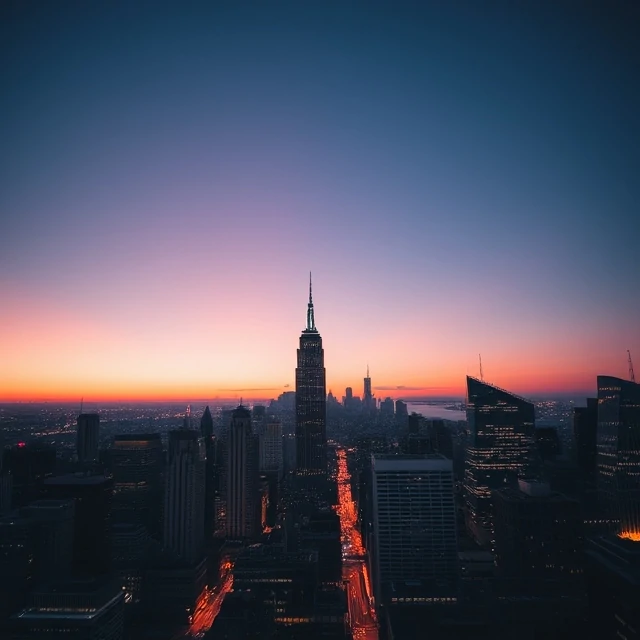
Dense clusters of buildings, streets, and people define the modern city. A city is a large, permanent human settlement that serves as a center of administration, commerce, culture, and innovation. Population thresholds vary by country, but the key traits are density and functional complexity.
Cities concentrate jobs, universities, hospitals, and cultural institutions. They also generate traffic, pollution, and housing pressure. Urban planners work to balance growth with livability through zoning, transit systems, and public space. Historically, cities arose near rivers, harbors, or crossroads that favored trade.
Today more than half the world’s population lives in urban areas. Some cities sprawl outward; others grow upward. The skyline, the street grid, and the mix of neighborhoods all reflect successive waves of economic and social change. A city is never finished.
- Large permanent human settlement
- Center of economic and cultural activity
- Characterized by high population density
- Continually evolving through planning and growth
Comments
No comments yet. Be the first to share a thought.
Leave a comment