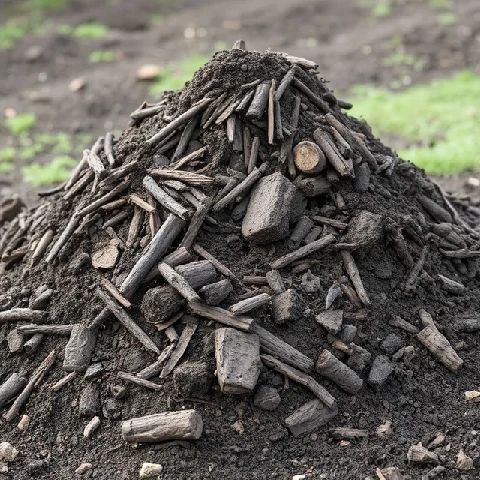
Animal manure has fertilized gardens for centuries. It is the dung and bedding of livestock—primarily cattle, horses, sheep, and poultry—used as an organic source of nutrients and organic matter. Fresh manure is high in nitrogen and can burn plants; well-rotted manure is safer and more pleasant to handle.
Manure improves soil structure as well as fertility. It increases water-holding capacity in sandy soils and improves drainage in clay. Different animals produce manure with different nutrient profiles. Poultry manure is richer in nitrogen; cattle manure is more balanced and bulkier.
Composting manure before use stabilizes nutrients and kills many weed seeds and pathogens. Apply it in autumn or as a mulch around established plants. Avoid fresh manure on food crops close to harvest. When properly managed, manure closes the loop between animals and the garden.
- Animal waste used as organic fertilizer
- Improves soil fertility and structure
- Best when well-rotted or composted
- Varies in nutrient content by animal
Comments
No comments yet. Be the first to share a thought.
Leave a comment