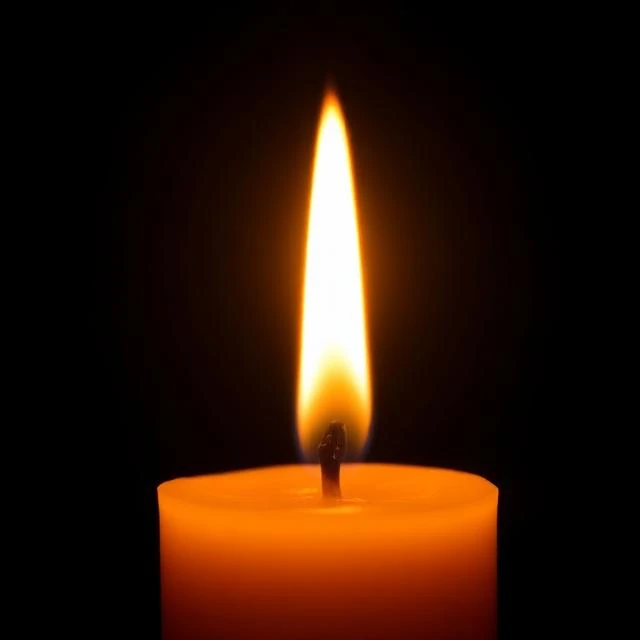
Burn a candle, and the wax reacts with oxygen to produce carbon dioxide and water, releasing heat and light. That is an exothermic reaction, a reaction that releases energy to its surroundings. The products have less energy than the reactants. The excess energy is released as heat, light, or sound. Combustion, respiration, and neutralization are all exothermic.
The energy change comes from bond breaking and bond forming. Breaking bonds requires energy. Forming bonds releases energy. In an exothermic reaction, the energy released when new bonds form is greater than the energy required to break existing bonds. The net result is a release of energy. The enthalpy change, delta H, is negative. The reaction is often spontaneous because the products are at lower energy than the reactants.
Exothermic reactions are everywhere. Combustion of fuels powers engines, generates electricity, and heats homes. Respiration in cells oxidizes glucose to produce ATP, releasing energy. Neutralization of an acid with a base releases heat. The thermite reaction between aluminum and iron oxide releases so much heat that it produces molten iron. Hand warmers use the exothermic oxidation of iron to generate heat.
Exothermic reactions can be dangerous if not controlled. A runaway reaction in a chemical plant can cause explosions and fires. That is why reactors have cooling systems, pressure relief valves, and emergency shutdown procedures. The energy released is useful, but it must be managed.
Comments
No comments yet. Be the first to share a thought.
Leave a comment