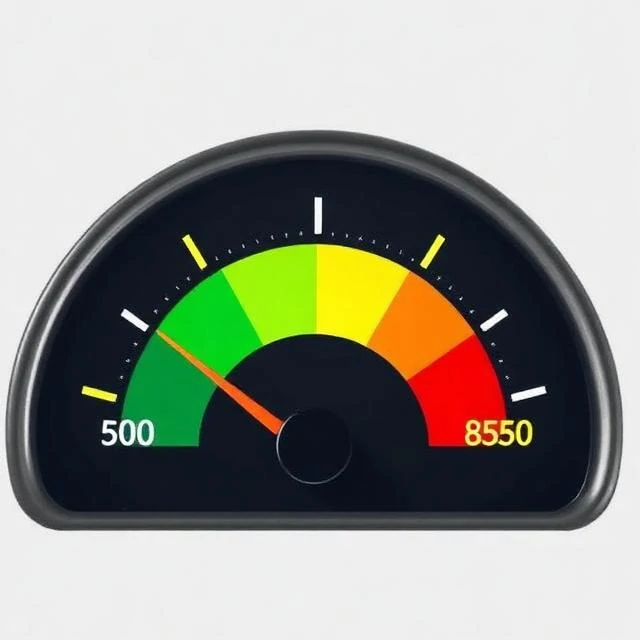
A credit score is a number that summarizes your creditworthiness. It is calculated from the information in your credit report. Lenders use it to decide whether to lend to you and at what interest rate. The most common score is the FICO score, which ranges from 300 to 850. A score above 740 is considered very good. A score below 580 is poor.
The FICO score weighs five factors. Payment history is the biggest, at 35 percent. Amounts owed is 30 percent. Length of credit history is 15 percent. New credit is 10 percent. Credit mix is 10 percent. VantageScore, a competing model, uses similar factors with slightly different weights. Both models are updated regularly.
A good credit score saves money. A borrower with a 760 score might get a 30-year mortgage at 6 percent. A borrower with a 620 score might pay 7.5 percent. On a $300,000 loan, that difference is over $100,000 in interest. Credit scores also affect car loans, insurance premiums, and apartment applications. Some employers check them too.
Improving a credit score takes time. Pay bills on time. Keep credit card balances below 30 percent of your limit. Do not close old accounts. Limit new credit applications. Check your report for errors. These steps will not raise your score overnight, but they will over months and years. There is no shortcut. The score reflects behavior.
Comments
No comments yet. Be the first to share a thought.
Leave a comment