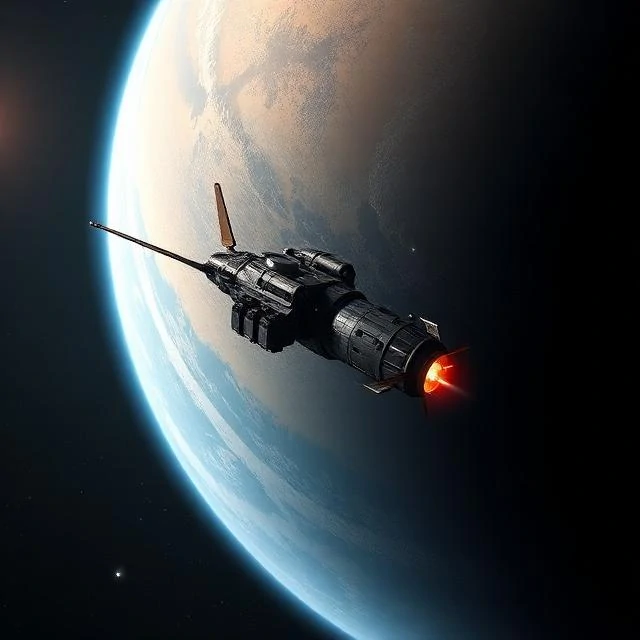
Sometimes a spacecraft cannot stop. Fuel limits make orbit insertion impossible, so missions settle for a close pass. A flyby sends a probe past a celestial body at high speed, gathering data during a brief window.
The geometry is unforgiving. Instruments must work the first time, pointing precisely during the encounter. Data often transmits back over hours or days because the signal is weak and the distance is enormous.
Notable flyby missions
- Voyager 2 past Jupiter, Saturn, Uranus, and Neptune
- New Horizons past Pluto in 2015
- Parker Solar Probe making repeated solar flybys
- Cassini flybys of Saturn's moons before orbit insertion
Flybys also serve as gravity assists. A spacecraft swings past a planet to change speed or direction without burning fuel. Mission planners use these manoeuvres to reach targets that would otherwise be out of range.
Comments
No comments yet. Be the first to share a thought.
Leave a comment