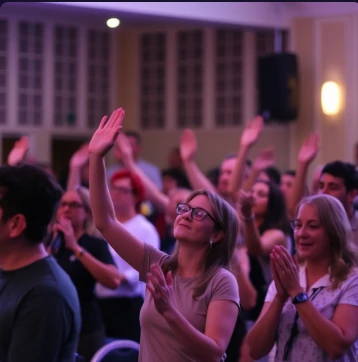
Believers direct reverence, praise, and submission toward a deity or sacred reality. That directed activity is worship. It is the central public act of most religious traditions.
Worship may be corporate or private, highly formal or spontaneous. Elements commonly include prayer, song, reading of sacred texts, offerings, and silence. Architecture, music, and gesture support the orientation of attention beyond the self. Frequency ranges from daily offices to weekly gatherings to annual festivals.
Authentic worship is understood to require both external action and interior disposition. Traditions warn against empty ritualism while also affirming that disciplined practice shapes the heart. Worship forms community, transmits identity, and offers the whole of life back to its source. In worship the scattered concerns of ordinary time are gathered and reordered.
To worship is to acknowledge, with the whole person, what deserves ultimate devotion.
Comments
No comments yet. Be the first to share a thought.
Leave a comment