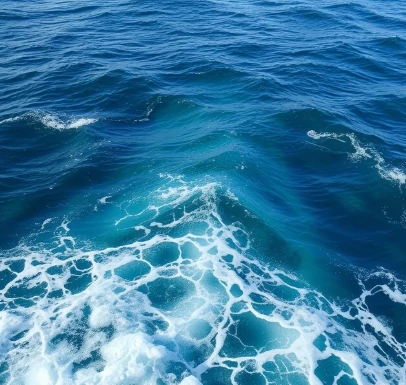
When winds or currents push surface water away from a coast or from a region of divergence, deeper water rises to replace it. This upward movement is upwelling. The rising water is typically colder and richer in nutrients than the surface water it replaces.
Coastal upwelling along eastern ocean boundaries supports some of the world’s most productive fisheries by fueling intense phytoplankton growth. Equatorial upwelling contributes to the biological richness of the tropical Pacific and Atlantic. Upwelling also brings low-oxygen and low-pH water onto the shelf, creating physiological challenges for some organisms.
The strength of upwelling varies with the wind; seasonal and interannual changes, including those linked to El Niño, strongly affect productivity and fish abundance. Satellites detect upwelling through sea-surface temperature and ocean-color anomalies. Climate models project possible changes in upwelling intensity and seasonality as atmospheric circulation shifts.
- Rising of deep water to the surface
- Supplies nutrients that fuel productivity
- Supports major coastal fisheries
- Sensitive to wind and climate variability
Comments
No comments yet. Be the first to share a thought.
Leave a comment