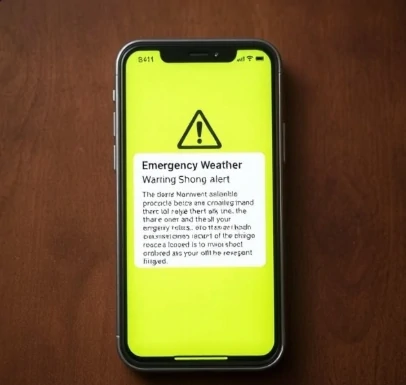
When hazardous weather is occurring or is imminent, meteorological services issue a weather warning. The product is intended to prompt immediate protective action by the public and by emergency managers.
Warnings are specific about the type of hazard, the affected area, and the expected timing. Examples include tornado warnings, flash-flood warnings, severe-thunderstorm warnings, and blizzard warnings. They are disseminated through broadcast media, mobile alerts, sirens, and official channels.
The decision to issue a warning balances the need for timely action against the risk of false alarms. Verification after the event helps refine future criteria. Public understanding of the difference between a watch and a warning is essential for effective response.
Advances in detection and communication have reduced the average lead time for many types of warnings.
Comments
No comments yet. Be the first to share a thought.
Leave a comment