Uncertainty about future loss sits at the center of insurance. Risk is the possibility of an adverse outcome—financial loss, injury, or damage—that can be measured, priced, and in many cases transferred through an insurance contract.
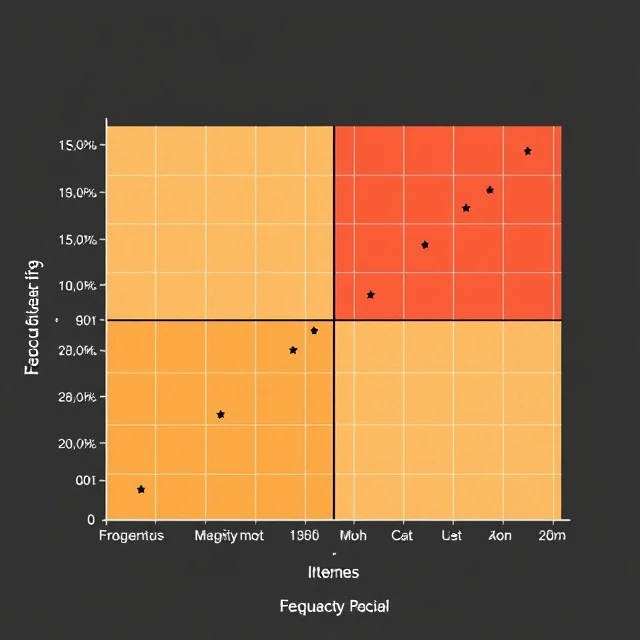
Insurers distinguish pure risk, which involves only the chance of loss, from speculative risk, which also includes the chance of gain. Only pure risks are normally insurable. Frequency and severity together determine the expected cost that underlies premium calculation.
Not every risk is insurable. Extreme uncertainty, catastrophic accumulation, or lack of insurable interest can place an exposure outside the commercial market. Risk management begins with identifying and measuring these possibilities before deciding which to retain, reduce, or transfer.
- Possibility of measurable adverse financial outcome
- Pure risk is the usual subject of insurance
- Characterized by frequency and severity
- Foundation of premium calculation and underwriting
Comments
No comments yet. Be the first to share a thought.
Leave a comment